
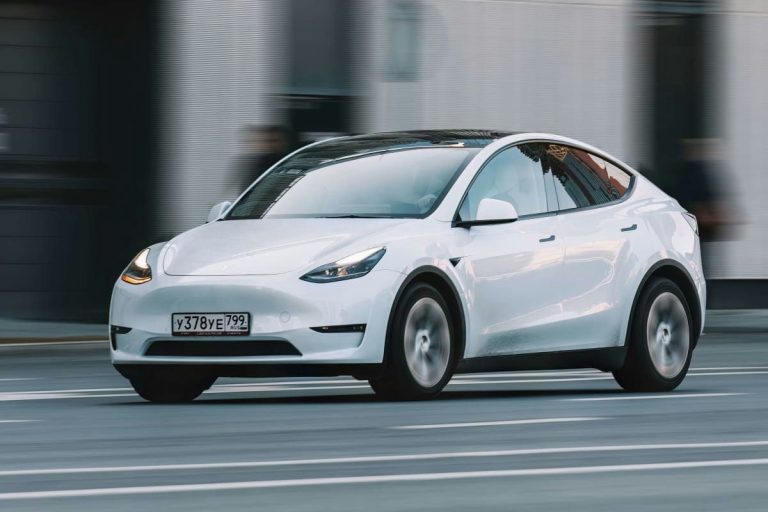
Sinds de oprichting heeft Tesla zich gericht op het transformeren van de auto-industrie door elektrische mobiliteit te promoten. Het bedrijf, geleid door Elon Musk, is een koploper geworden in de elektrische voertuigen (EV) industrie, met als belangrijkste missie het verminderen van koolstofdioxide (CO2) uitstoot. Tesla-voertuigen bieden niet alleen een milieuvriendelijk alternatief; ze herdefiniëren ook het rijplezier door geavanceerde technologie en indrukwekkende prestaties. Door technische innovatie te combineren met een ecologische visie, inspireert Tesla verandering in een industrie die van oudsher wordt gedomineerd door voertuigen op fossiele brandstoffen. Tesla’s keuze om zich uitsluitend op EV’s te concentreren, illustreert haar sterke toewijding aan een duurzame energie toekomst. Door directe CO2-uitstoot te elimineren, dragen Tesla-auto’s aanzienlijk bij aan het verminderen van de ecologische voetafdruk van het wegverkeer. De uitbreiding van haar netwerk van superchargers, die snelle en efficiënte oplading mogelijk maken, is erop gericht bestuurders gerust te stellen door in te zetten op de praktische bruikbaarheid en toegankelijkheid van elektrisch rijden. Dankzij haar voortdurende inspanningen om de batterij-autonomie en het opladen te verbeteren, daagt Tesla de wereld uit de mobiliteit op een groenere en meer innovatieve manier te herzien. Desalniettemin wordt Tesla’s succes in groene mobiliteit niet alleen gemeten door haar autoverkopen. Haar invloed strekt zich ook uit tot het motiveren van andere autofabrikanten om elektrificatie te omarmen, waardoor de wereldwijde overgang naar duurzame transportmiddelen wordt versneld. Deze hefboomwerking op de hele industrie is een krachtig bewijs van Tesla’s vermogen om een paradigmaverschuiving naar koolstofvrije mobiliteit te leiden, wat het autolandschap opnieuw vormgeeft voor toekomstige generaties.
Beyond automotive innovation, endeavors to transform homes into models of energy sustainability through innovative solutions, the Powerwall and solar panels. The Powerwall, a rechargeable home battery, is designed to store solar energy, making households more independent from the traditional power grid. By storing energy produced by solar panels, it allows households to manage their consumption flexibly, reducing reliance on fossil energies. This energy independence promotes a significant reduction in the carbon footprint of homes, while providing resilience against power outages. Tesla’s solar panels, harmoniously integrated with home design, aspire to make solar energy more affordable and appealing to a wider range of consumers. These installations offer a clean and renewable energy source that not only reduces electricity bills but also decreases the overall environmental impact. Using advanced technology, the solar panels are designed to maximize solar energy production, even under suboptimal lighting conditions, ensuring consistent and reliable performance. By combining Powerwall and solar panels, Tesla implements a coupled energy strategy that offers consumers a complete solution to their home energy needs. This holistic approach not only enhances home energy efficiency but also contributes to Tesla’s broader vision of a decarbonized future. Through these innovations, Tesla not only encourages a change in how energy is consumed, but also raises broader awareness of the economic and environmental benefits of sustainable energy.
Tesla’s commitment to green innovation is not without challenges. Sustainable battery production remains one of the main obstacles the company faces. Lithium batteries, the core of electric vehicles, require mining resources whose extraction and processing raise environmental and ethical questions. This is why Tesla invests heavily in research to develop battery technologies less reliant on rare materials, while improving current recyclability. This quest to design environmentally friendly batteries is a cornerstone of its future strategies. Simultaneously, logistical challenges related to the rapid expansion of charging infrastructure for both vehicles and home installations raise sustainability questions. However, each challenge comes with opportunities. The untapped potential in supply chain optimization and industrial process efficiency paves the way for significant advancements. In this context, Tesla’s pioneering and proactive approach continues to position it at the forefront, galvanizing innovation throughout the energy sector. Despite these obstacles, Tesla remains a leading figure in green innovation. Its successes, notably the revolution of electric vehicles and home energy solutions, underscore its role as a catalyst for a global transition towards sustainability. Through its determination to overcome challenges and seize future opportunities, Tesla adopts a path that inspires and motivates a global shift towards a cleaner world. As it progresses on this path, Tesla not only defines its future but also shapes that of our planet.