
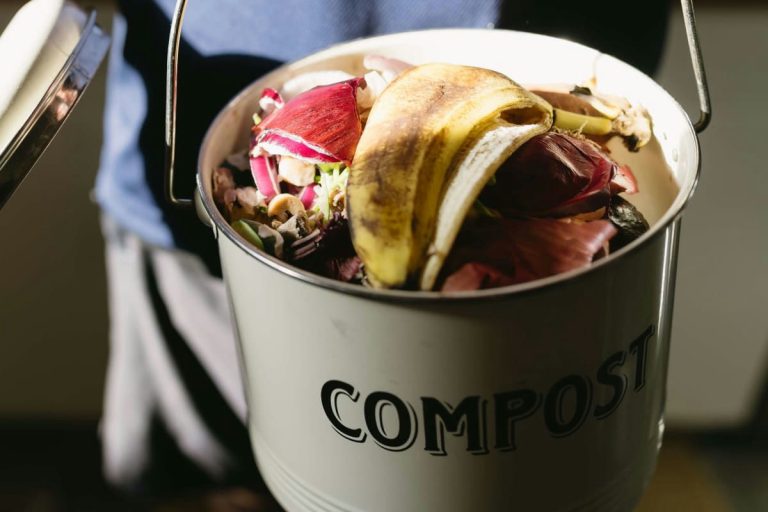
Composting stands out as an essential solution in managing organic waste. Burying these wastes in landfills produces methane, a greenhouse gas potentially 25 times more powerful than carbon dioxide. By diverting organic waste from landfills and treating it through composting, we significantly reduce our carbon footprint. Not only does this combat climate change, but it also promotes the creation of nutrient-rich soils. The composting process breaks down organic residues into fertile matter, compost, which can be used to improve soils. This process not only enriches the soils with organic matter but also enhances their structure, aeration, and water retention capacity. The results are healthier crops and more sustainable agriculture. With the decrease in arable land worldwide, the importance of composting for preserving and enriching soils cannot be underestimated. Composting is also an excellent awareness tool. Community and domestic composting programs involve citizens in managing their own waste, thereby raising awareness of the importance of waste reduction and environmental sustainability. In summary, composting tackles the issue of organic waste at its source, turning what could be waste into a valuable resource.
Various modern composting techniques have been developed to maximize the efficiency of this natural process. Among these, pile composting is the most traditional and widespread method. It involves piling organic materials into a large heap and turning it regularly to ensure good aeration. This method is simple and inexpensive but requires space and a commitment to maintaining a good balance between carbonaceous materials (leaves, branches) and nitrogenous materials (kitchen scraps, grass clippings). Vermicomposting, on the other hand, uses earthworms to break down organic waste. This method is particularly effective for domestic composting, as it takes little space and does not generate unpleasant odors. Worms, by consuming the waste, produce nutrient-rich compost known as worm humus. However, this technique requires some expertise to maintain a healthy environment for the worms. Drum or rotary composting is another modern technique that accelerates the decomposition process. Using a closed, rotating drum, this method ensures optimal aeration and more precise control of moisture and temperature. This allows for high-quality compost in less time than the traditional pile method. Industrial composting, often practiced by municipalities and specialized companies, uses large machines to shred and aerate organic waste on a much larger scale. These facilities can process tons of waste every day, producing compost in just a few months. It’s a highly effective method for solving large-scale waste management issues, though the initial investment is high.
Compost not only improves soils but can also be a source of sustainable energy. One of the main technologies used for this purpose is methanation. This biological process involves breaking down organic matter in the absence of oxygen, thus producing methane-rich biogas and nutrient-rich digestate. Biogas can be used to generate electricity, power boilers, or even be purified for injection into natural gas networks. Methanation offers numerous benefits: it not only produces renewable energy but also reduces greenhouse gas emissions compared to traditional waste burying. Methanation units can be installed on various scales, from small domestic installations to large industrial units capable of processing the waste of an entire community. Another innovative application of compost is the use of heat generated by the decomposition of organic matter. Thermophilic compost, which reaches high temperatures during its decomposition, can be used as a heat source for heating greenhouses, buildings, or even water heating systems. By capturing and using this heat, it is possible to further reduce our dependence on fossil fuels. Finally, biomass gasification is an emerging technology that could also allow converting waste into energy. This thermal process transforms organic matter into a synthesis gas, or syngas, which can be used as fuel to produce electricity and heat. In conclusion, composting techniques combined with innovative energy technologies offer promising solutions for managing organic waste while generating sustainable energy. These integrated approaches align perfectly with 100% GREEN SOLUTIONS’ mission to promote ecological and sustainable practices, turning environmental challenges into opportunities for a greener future.