
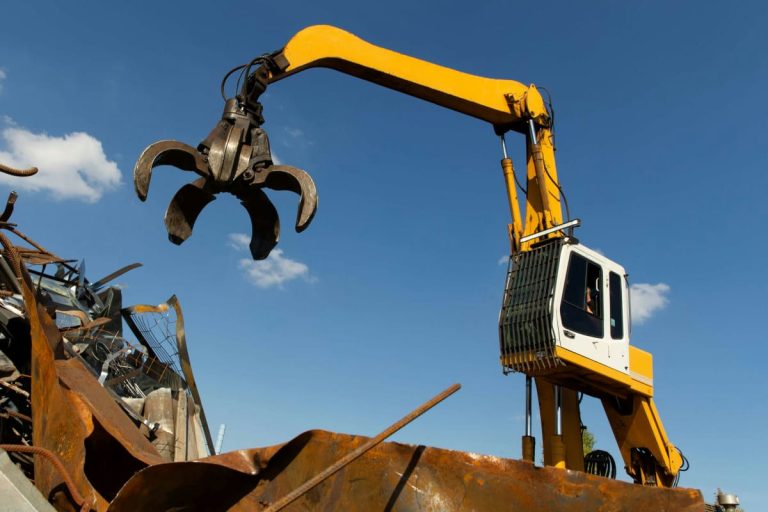
The recycling of non-ferrous metals, such as aluminum, copper, and zinc, plays a crucial role in reducing industrial waste and conserving natural resources. These metals, being non-magnetic and of varied composition, require advanced techniques to be effectively sorted and recycled. Among promising methods, fine fragmentation followed by enhanced densitometry allows for an initial separation of materials. Additionally, the use of more sophisticated separation technologies, like laser sorting, relies on the optical properties of materials to distinguish them. This technology is particularly valued for its precision, being able to differentiate alloys with great efficiency. Moreover, sensor-based sorting is also increasingly used. It relies on infrared or X-ray sensors to identify metals and alloys at a high speed. These innovative approaches increase the recovery rate of non-ferrous metals, optimize resources, and limit the environmental impact associated with primary extraction. Investing in these technologies is therefore essential to make non-ferrous metals recycling both sustainable and economically viable.
Advanced separation technologies such as eddy current sorting and flotation systems have transformed how we approach the recycling of non-ferrous metals. For example, eddy current sorting uses a rotating magnetic field to induce currents in non-ferrous metals, creating a repulsive force that separates them from other materials. This method is particularly effective for lightweight metals like aluminum and ensures a purity of sorting prior to remelting or reuse. Flotation, on the other hand, relies on the density differences of wet and dry particles, which is ideal for extracting certain hidden metals from crushed waste. These processes significantly reduce the volume of waste to be processed, promoting the idea of a circular economy where materials are systematically reintroduced into the production chain. These advancements illustrate how the sector is adapting to contemporary ecological demands. The widespread adoption of these methods, supported by continuous research and innovation, is key to ensuring a recycling system that minimizes waste while maximizing available resources.
The success of non-ferrous metal recycling has significant environmental and economic impacts. Leading technology companies like Aurubis in Hamburg or Hydro in Karmøy demonstrate the effectiveness of these practices. For instance, Aurubis recycles nearly 330,000 tons of copper per year, drastically reducing the carbon footprint associated with mining and primary processing. Shifting towards extensive recycling not only saves energy – recycling aluminum requires only 5% of the energy needed to extract virgin metal – but also yields notable economic benefits by reducing dependency on raw minerals. This builds economic resilience against market fluctuations in raw material commodity markets. Although the immediate impact is measured in terms of energy and resource savings, the long-term effect on reducing environmental pollution is equally valuable. Furthermore, successful recycling encourages the development of a local waste treatment industry, generating jobs and boosting the local economy. Encouraging companies and governments to invest in advanced recycling infrastructures and technologies is imperative to safeguard our natural resources and promote a sustainable economy in the long term.