
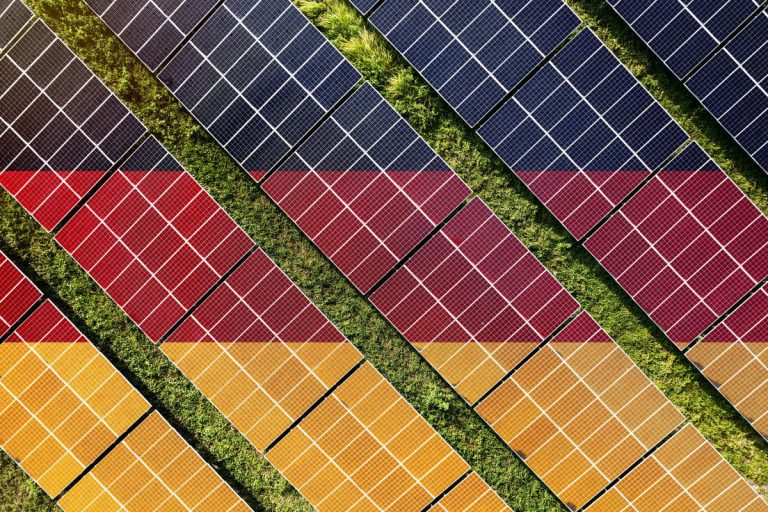
Germany is widely recognized for its commitment to environmental protection. The country has a solid and structured regulatory framework that acts as the backbone for its sustainability initiatives. Primarily anchored in federal legislation, this framework comprises several laws and regulations aimed at reducing the environmental footprint and promoting the responsible use of natural resources. Key laws include the Nature Conservation and Landscape Management Act (Bundesnaturschutzgesetz) and the Federal Emission Control Act (Bundes-Immissionsschutzgesetz). These laws set strict standards for the conservation of natural habitats and the limitation of industrial emissions, respectively. Additionally, the Waste Management Act (Kreislaufwirtschaftsgesetz) and the Renewable Energy Act (Erneuerbare-Energien-Gesetz) encourage waste reduction, recycling, and the production of clean energy. Another crucial aspect of the German legal framework is its compliance with European Union environmental directives, such as the Water Framework Directive and the Industrial Emissions Directive. These directives, integrated into national law, impose obligations on companies and communities to meet defined pollution thresholds, thus ensuring the protection of aquatic and terrestrial ecosystems. Regulatory organizations such as the Federal Environment Agency (Umweltbundesamt) play a crucial role in enforcing and monitoring environmental standards. Furthermore, the Federal Energy Efficiency Plan (NAPE) and the National Biodiversity Strategy provide clear guidelines for achieving environmental goals by 2030 and beyond. Germany stands out for its decentralized approach. The federal states (Länder) have significant autonomy to develop and implement local environmental policies, allowing for more precise adaptation to regional needs. In summary, the German regulatory framework is a complex and multifaceted structure that provides robust tools for sustainable environmental management. Its design integrates ecological, economic, and social imperatives, thus laying the groundwork for an effective transition to more sustainable practices.
Germany has implemented a series of initiatives and programs to promote sustainable practices across various economic sectors. The Energiewende program, or ‘energy transition,’ is one of the most emblematic. This program aims to reduce Germany’s dependence on fossil fuels by promoting the adoption of renewable energies, such as solar and wind. Through a combination of grants, tax incentives, and strict regulations, Germany has increased the share of renewable energies to more than 40% of its total electricity production by 2022. Beyond energy, Germany is also investing in sustainable mobility with initiatives such as the National Cycling Plan (NRVP), which encourages the use of bicycles as the main means of transport in urban areas. Extensive and safe cycling infrastructures have been developed, and companies receive incentives to promote cycling among their employees. The electric vehicle subsidy program, in place for several years, also supports the transition to a less polluting vehicle fleet. The German manufacturing industry, a pillar of its economy, is not left out. Initiatives such as Industry 4.0 promote the adoption of cleaner and more efficient production technologies. The government offers tax credits and grants to encourage innovation in industrial processes and sustainable product design. For example, the KMU-innovativ program specifically targets small and medium-sized enterprises (SMEs) to help them develop and integrate green technologies. Germany is also investing in biodiversity protection with the Netzwerk Natur program, which aims to create a network of interconnected nature reserves to protect threatened species and habitats. Efforts are also being made to restore degraded ecosystems through the Renaturierung project, which targets specific areas for reforestation and river rehabilitation. In agriculture, Germany encourages agro-ecological practices through the Sustainable Agriculture Program, which financially supports farmers adopting practices that benefit biodiversity and soil health. Subsidies for organic farming have also helped quadruple the area of certified organic land over the past two decades. In conclusion, the many sustainability initiatives and programs in Germany reveal a comprehensive and integrated strategy. By acting simultaneously on various fronts, from renewable energies to green transportation, as well as sustainable industry and agriculture, the country aims to maintain its leadership position in the ecological transition.
The set of regulations and initiatives adopted by Germany in terms of sustainability has produced notable results. The country’s CO2 emissions have significantly decreased, from around 1,251 million tons in 1990 to less than 800 million tons in 2021. This reduction is largely attributed to the massive deployment of renewable energies and improvements in energy efficiency in buildings and industries. The adoption of renewable energies has not only reduced greenhouse gas emissions but also stimulated the economy. The renewable energy sector now employs more than 300,000 people. Local companies have emerged as global leaders in wind and solar technology, strengthening Germany’s position in the international energy market. The transformation of the transportation sector is also tangible. According to recent data, the number of electric and hybrid cars on German roads exceeded one million in 2021, offering a viable alternative to fossil fuel vehicles. The development of cycling infrastructure has also led to a reduction in urban emissions and an improvement in air quality. From an industrial perspective, the Industry 4.0 initiative has enabled significant advances in energy efficiency and waste reduction. Companies that have adopted these technologies report an average 15% decrease in energy consumption and a consequent reduction in operational costs. Tax credits for industrial innovation have generated a positive return on investment, boosting the competitiveness of German companies in the global market. In the agricultural sector, subsidy programs have encouraged many farmers to adopt more sustainable practices. The area of land dedicated to organic farming reached 10% in 2020, representing a significant increase compared to previous decades. Improvements in soil health and biodiversity have also had beneficial effects on agricultural yields and climate resilience. Biodiversity conservation has benefited from the creation of new protected areas and the restoration of degraded ecosystems. The Netzwerk Natur program has led to the protection of thousands of hectares of land and the successful reintroduction of endangered species such as the lynx and European bison. In conclusion, the evaluation of environmental regulations in Germany shows substantial and diverse progress. The country has distinguished itself through its holistic approaches and ongoing investments in sustainability. The results obtained are a testament to the effectiveness of these regulations and initiatives, consolidating Germany as a model in ecological practices and energy transition.